
The Himalayas have a unique way of capturing your imagination. Snow-covered peaks, wooden homes, sparkling rivers, apple orchards, and peaceful villages—together, they paint a picture of a world untouched by chaos. Among all Himalayan destinations, one name shines brighter than the rest: Chitkul, proudly known as “The Last Village of India.”
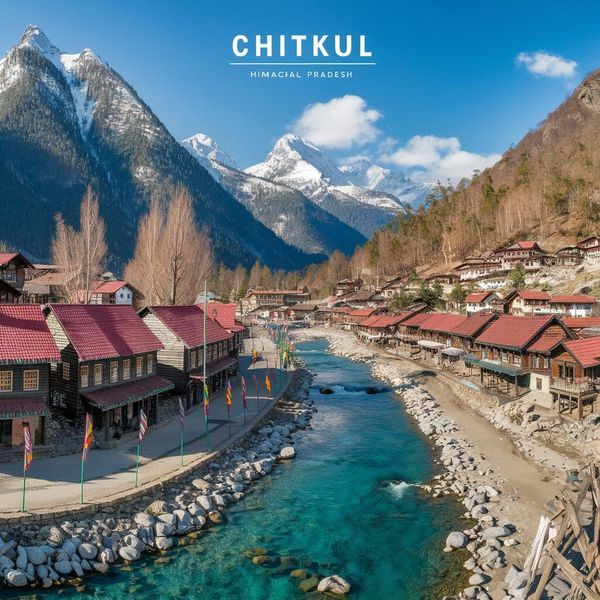
Located deep within the Sangla Valley of Himachal Pradesh’s Kinnaur district, Chitkul sits at the edge of the Indo-Tibetan road, making it the final inhabited village before the Indo-China border. The moment you arrive, everything slows down—the air gets purer, the scenery gets sharper, and life feels beautifully simple.
But the journey to Chitkul is just as magnificent as the destination. Before you reach this magical village, you’ll travel through Rakcham, another postcard-perfect settlement. Both Chitkul and Rakcham lie inside the enchanting Baspa Valley, commonly known as Sangla Valley, famous for its forests, apple orchards, serene landscapes, and the rich Kinnauri culture.
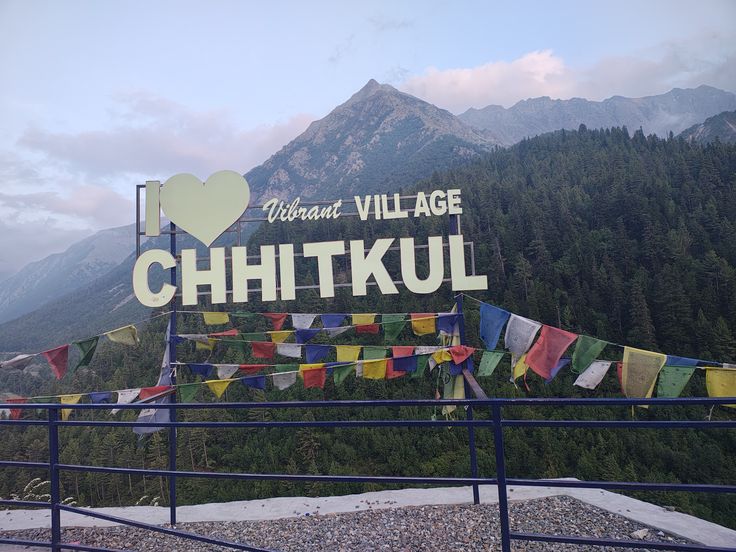
This detailed travel guide (around 1990 words) covers everything you need to know: the history of Chitkul, how to reach, weather, best time to visit, itinerary, places to see, where to stay, what to eat, safety tips, budget, and more. If the Himalayas are calling you, this guide will help you plan the perfect trip.
1. History & Significance of Chitkul
Chitkul is not just a scenic village—it’s a village with deep cultural and spiritual roots. According to local beliefs, the village is protected by the powerful deity Mathi Devi, whose temple stands in the middle of Chitkul. Legend says she travelled all the way from Vrindavan and settled here, blessing the valley forever.
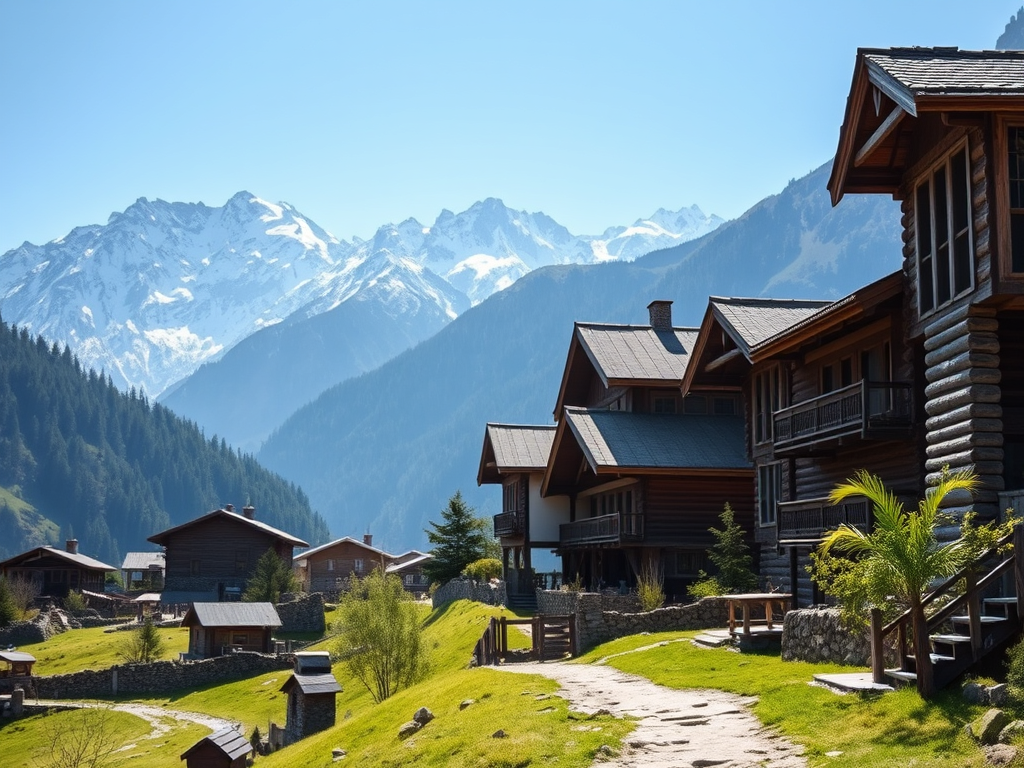
The village has also held strategic importance due to its proximity to the Indo-Tibetan border. While civilian movement is restricted beyond Chitkul, the roads ahead are used by the Indian Army. This is why the village is often referred to as “the last point in India where civilians are allowed without a permit.”
Its location on ancient trade routes that once connected Tibet and India adds more heritage value. Traders used to pass through Chitkul on their way to the old Silk Route.
2. Why Chitkul Is Called “The Last Village of India”
Chitkul lies at the end of the Hindustan–Tibet Road, built during the British era. Beyond this village, the road becomes restricted as it leads toward the Indo-China border.
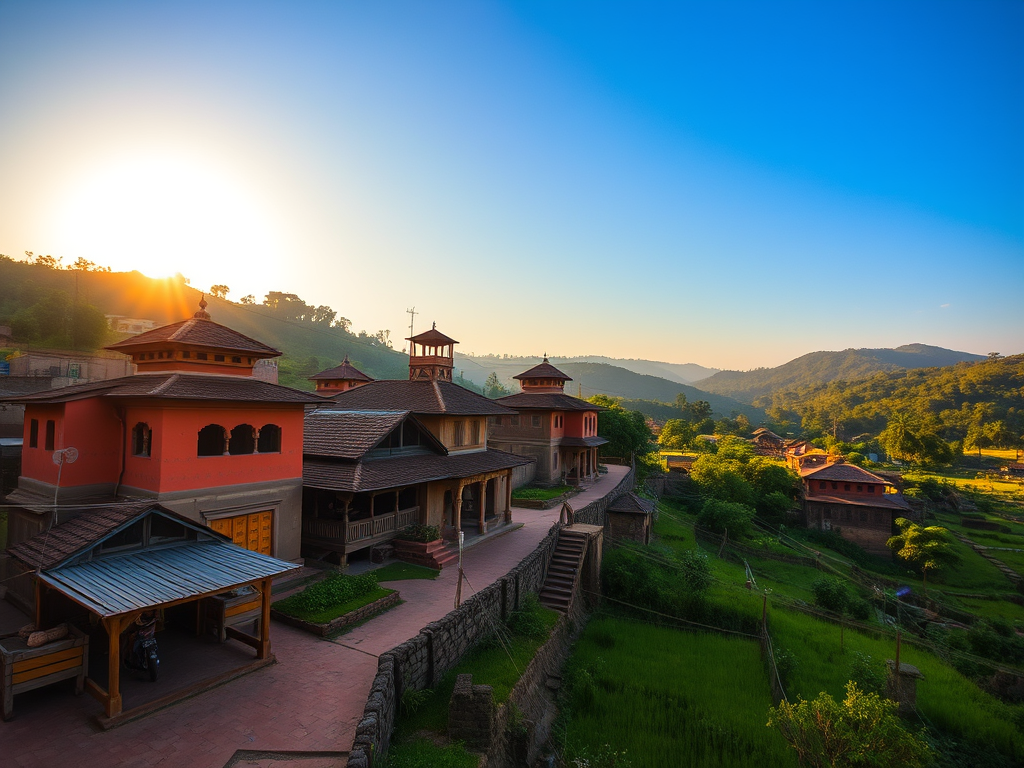
This geographic positioning makes Chitkul:
- The last inhabited village near the border
- The final point where tourists can go freely
- The “last village” from where the Indian road network ends
Because of the border proximity, the entire region is heavily patrolled by the Indo-Tibetan Border Police (ITBP) and the Indian Army.
3. Sangla Valley – The Gateway to Chitkul
Before reaching Chitkul, travelers enter Sangla Valley, also known as Baspa Valley (named after the Baspa River). This valley is considered one of the most picturesque regions of Himachal.
Highlights of Sangla Valley
- Towering pine forests
- Wooden houses with intricate carvings
- Apple orchards everywhere
- The turquoise Baspa River
- Traditional Himachali lifestyle and Kinnauri culture
Sangla town is the main hub where you’ll find hotels, homestays, taxi services, and restaurants.
4. Rakcham – The Scenic Midway Village
Rakcham lies exactly between Sangla and Chitkul.
What Makes Rakcham Special
- Considered one of India’s most beautiful villages
- Snow-covered mountains surround it on all sides
- Baspa River flows right along the village
- Lush green meadows turn into white landscapes in winter
- A quiet alternate stay option compared to Sangla
If you want to disconnect from the world, Rakcham is perfect—peaceful, photogenic, and raw.
5. How to Reach Chitkul
Reaching Chitkul is an adventure of its own. The roads are narrow and rugged but absolutely scenic.
Nearest Major City: Shimla (240 km)
By Road
Route from Shimla to Chitkul
Shimla → Narkanda → Rampur → Jeori → Karcham → Sangla → Rakcham → Chitkul
Total Distance: ~240 km
Time: 9–12 hours (depending on road conditions)
By Bus
You can take:
- HRTC bus from Shimla to Sangla
- Then a local or shared taxi to Chitkul (22 km)
Buses are frequent and budget-friendly.
By Train
Nearest railway station: Shimla Railway Station
But this route is not preferred. Travelers usually reach Shimla by road instead.
By Air
Nearest airport: Jubbarhatti Airport, Shimla
Better option: Chandigarh Airport (350 km) with more flight connectivity.
From these points, you need to continue by road.
6. Best Time to Visit Chitkul
Chitkul experiences dramatic seasonal changes. Each season offers a different face of the village.
☀ Spring (March–April)
- Snow starts melting
- Apple orchards bloom
- Pleasant weather
Perfect for photography and nature lovers.
🌞 Summer (May–June)
- Days are moderately warm
- Routes are open and safe
- Ideal for trekking and exploring
Peak tourist season.
🍁 Monsoon (July–August)
- Landslides common
- Roads become risky
Avoid unless necessary.
🍂 Autumn (September–October)
- Golden landscapes
- Crystal-clear views
- Best time for trekking and long walks
Highly recommended for photographers.
❄ Winter (November–February)
- Chitkul becomes a snowy wonderland
- Temperatures drop to –10°C to –20°C
- Roads may close due to heavy snowfall
Only experienced travelers should visit in this season.
7. Weather in Chitkul (Month-Wise)
| Month | Temperature | Experience |
|---|---|---|
| Jan–Feb | –15°C to –5°C | Heavy snowfall |
| Mar | –5°C to 5°C | Snow melts |
| Apr–Jun | 5°C to 18°C | Pleasant weather |
| Jul–Aug | 8°C to 15°C | Rainy, landslides |
| Sep–Oct | 0°C to 12°C | Best scenic views |
| Nov–Dec | –10°C to 0°C | Cold and snowy |
8. Places to Visit in and Around Chitkul
Even though it’s a small village, Chitkul offers a lot to explore.
1. Baspa River
The river flows through the valley and is one of its most charming features. Ideal for:
- Picnics
- Photography
- Relaxation
- Riverside walks
2. Chitkul Village Walk
Experience:
- Traditional Kinnauri houses
- Local lifestyle
- Wooden architecture
- Small cafés and homestays
A simple walk around the village feels refreshing.
3. Mathi Devi Temple
A centuries-old temple dedicated to the local deity, Mathi Devi.
Known for:
- Ancient wooden carvings
- Peaceful surroundings
- Cultural importance
4. Indo-Tibet Border Checkpost (ITBP Post)
Civilians can go up to the ITBP checkpoint known as “Nagasti.”
Beyond it, entry is prohibited.
5. Rakcham Meadows
Dense forests, open green grounds, and beautiful views. Perfect for:
- Camping
- Photography
- Nature walks
6. Sangla Town & Kamru Fort
Situated near Sangla:
- Kamru Fort is more than 1,000 years old
- Offers great valley views
- Houses the Kamakhya Devi temple inside
7. Bering Nag Temple
Another culturally significant temple located in Sangla.
9. Top Things to Do in Chitkul
1. Riverside Camping
Camping along the Baspa River is one of the best experiences of the region.
2. Long Nature Walks
Chitkul is perfect for slow travel:
- Walk through meadows
- Explore forests
- Interact with locals
3. Enjoy Local Himachali & Tibetan Food
Don’t miss:
- Siddu
- Thukpa
- Momos
- Rajma-Chawal (famous here)
- Tibetan bread
4. Capture Sunrises & Sunsets
Golden sunlight hitting snow-covered mountains is magical.
5. Try Short Treks
- Nagasti ITBP trek
- Rakcham–Chitkul trek
- Meadows trek routes
10. Where to Stay in Chitkul, Rakcham, and Sangla
Accommodation options range from budget homestays to premium riverside camps.
Chitkul Stay Options
- Homestays
- Wooden guesthouses
- Riverside hotels
Best for those who want to stay at the last village itself.
Rakcham Stay Options
- Scenic riverside resorts
- Cabins with mountain views
- Peaceful cottages
Ideal for those who want silence and raw nature.
Sangla Stay Options
- Hotels
- Luxury camps
- Riverside cottages
More facilities and food options are available here.
11. What to Eat in Chitkul
Local food influences come from Himachali and Tibetan cuisine.
Must-Try Dishes
- Siddu
- Momos
- Thukpa
- Rajma-Chawal (very famous)
- Tibetan bread and butter tea
- Local apples (in season)
Several small cafés serve snacks and meals, though options are basic.
12. 3-Day Itinerary for Chitkul
Day 1: Shimla → Sangla
- Start early from Shimla
- Drive through Narkanda, Rampur, Karcham
- Reach Sangla by evening
- Explore Sangla Market
- Stay overnight in Sangla
Day 2: Sangla → Rakcham → Chitkul
- Drive to Rakcham village
- Spend time at Rakcham Meadows
- Leave for Chitkul
- Visit the Baspa River
- Explore Mathi Devi Temple
- Walk around the village
- Stay overnight in Chitkul
Day 3: Chitkul → Nagaasti ITBP Point → Return
- Morning trek/walk towards Nagaasti
- Breakfast in Chitkul
- Start your return journey to Shimla or Kalpa
13. Budget Needed for Chitkul Trip
Approximate budget for a 3-day trip:
| Category | Cost (per person) |
|---|---|
| Travel (from Shimla) | ₹1500–₹2500 |
| Stay | ₹800–₹2000 per night |
| Food | ₹300–₹600 per meal |
| Local Transport | ₹1000–₹1500 |
| Misc | ₹500 |
Total Estimated Budget: ₹4000–₹8000 (depending on comfort)
14. Mobile Network & ATM Availability
- Network: Very weak in Chitkul and Rakcham (only BSNL works sometimes)
- ATMs: Available in Sangla, not beyond
- Digital Payments: May not work everywhere
Carry cash and inform family beforehand.
15. Safety Tips for Chitkul Travelers
- Roads are narrow—drive carefully
- Weather changes suddenly, carry warm clothes
- Avoid monsoon due to landslides
- Stay hydrated; altitude can affect some travelers
- Pre-book stay during peak season
16. Why Chitkul Is a Must-Visit Destination
Chitkul is one of the few remaining places where nature feels untouched. There’s no noise of the city, no rush of tourists, and no concrete buildings blocking the view. It’s a village where:
- The air is crisp
- The landscapes feel unreal
- Life is simple
- Locals are warm and welcoming
Whether you’re a photographer, backpacker, nature lover, or someone seeking peace—Chitkul gives you exactly what you need.
Final Words
Chitkul, Rakcham, and Sangla Valley together form one of the most beautiful regions of the Himalayas. From ancient temples and wooden houses to snow peaks and crystal-clear rivers, everything here feels magical. This travel guide gives you all the information you need to plan your perfect trip to “The Last Village of India.”Chitkul: The Last Village of India – A Complete Travel Guide to Sangla Valley & Rakcham
The Himalayas have a unique way of capturing your imagination. Snow-covered peaks, wooden homes, sparkling rivers, apple orchards, and peaceful villages—together, they paint a picture of a world untouched by chaos. Among all Himalayan destinations, one name shines brighter than the rest: Chitkul, proudly known as “The Last Village of India.”
Located deep within the Sangla Valley of Himachal Pradesh’s Kinnaur district, Chitkul sits at the edge of the Indo-Tibetan road, making it the final inhabited village before the Indo-China border. The moment you arrive, everything slows down—the air gets purer, the scenery gets sharper, and life feels beautifully simple.
But the journey to Chitkul is just as magnificent as the destination. Before you reach this magical village, you’ll travel through Rakcham, another postcard-perfect settlement. Both Chitkul and Rakcham lie inside the enchanting Baspa Valley, commonly known as Sangla Valley, famous for its forests, apple orchards, serene landscapes, and the rich Kinnauri culture.
This detailed travel guide (around 1990 words) covers everything you need to know: the history of Chitkul, how to reach, weather, best time to visit, itinerary, places to see, where to stay, what to eat, safety tips, budget, and more. If the Himalayas are calling you, this guide will help you plan the perfect trip.
1. History & Significance of Chitkul
Chitkul is not just a scenic village—it’s a village with deep cultural and spiritual roots. According to local beliefs, the village is protected by the powerful deity Mathi Devi, whose temple stands in the middle of Chitkul. Legend says she travelled all the way from Vrindavan and settled here, blessing the valley forever.
The village has also held strategic importance due to its proximity to the Indo-Tibetan border. While civilian movement is restricted beyond Chitkul, the roads ahead are used by the Indian Army. This is why the village is often referred to as “the last point in India where civilians are allowed without a permit.”
Its location on ancient trade routes that once connected Tibet and India adds more heritage value. Traders used to pass through Chitkul on their way to the old Silk Route.
2. Why Chitkul Is Called “The Last Village of India”
Chitkul lies at the end of the Hindustan–Tibet Road, built during the British era. Beyond this village, the road becomes restricted as it leads toward the Indo-China border.
This geographic positioning makes Chitkul:
- The last inhabited village near the border
- The final point where tourists can go freely
- The “last village” from where the Indian road network ends
Because of the border proximity, the entire region is heavily patrolled by the Indo-Tibetan Border Police (ITBP) and the Indian Army.
3. Sangla Valley – The Gateway to Chitkul
Before reaching Chitkul, travelers enter Sangla Valley, also known as Baspa Valley (named after the Baspa River). This valley is considered one of the most picturesque regions of Himachal.
Highlights of Sangla Valley
- Towering pine forests
- Wooden houses with intricate carvings
- Apple orchards everywhere
- The turquoise Baspa River
- Traditional Himachali lifestyle and Kinnauri culture
Sangla town is the main hub where you’ll find hotels, homestays, taxi services, and restaurants.
4. Rakcham – The Scenic Midway Village
Rakcham lies exactly between Sangla and Chitkul.
What Makes Rakcham Special
- Considered one of India’s most beautiful villages
- Snow-covered mountains surround it on all sides
- Baspa River flows right along the village
- Lush green meadows turn into white landscapes in winter
- A quiet alternate stay option compared to Sangla
If you want to disconnect from the world, Rakcham is perfect—peaceful, photogenic, and raw.
5. How to Reach Chitkul
Reaching Chitkul is an adventure of its own. The roads are narrow and rugged but absolutely scenic.
Nearest Major City: Shimla (240 km)
By Road
Route from Shimla to Chitkul
Shimla → Narkanda → Rampur → Jeori → Karcham → Sangla → Rakcham → Chitkul
Total Distance: ~240 km
Time: 9–12 hours (depending on road conditions)
By Bus
You can take:
- HRTC bus from Shimla to Sangla
- Then a local or shared taxi to Chitkul (22 km)
Buses are frequent and budget-friendly.
By Train
Nearest railway station: Shimla Railway Station
But this route is not preferred. Travelers usually reach Shimla by road instead.
By Air
Nearest airport: Jubbarhatti Airport, Shimla
Better option: Chandigarh Airport (350 km) with more flight connectivity.
From these points, you need to continue by road.
6. Best Time to Visit Chitkul
Chitkul experiences dramatic seasonal changes. Each season offers a different face of the village.
☀ Spring (March–April)
- Snow starts melting
- Apple orchards bloom
- Pleasant weather
Perfect for photography and nature lovers.
🌞 Summer (May–June)
- Days are moderately warm
- Routes are open and safe
- Ideal for trekking and exploring
Peak tourist season.
🍁 Monsoon (July–August)
- Landslides common
- Roads become risky
Avoid unless necessary.
🍂 Autumn (September–October)
- Golden landscapes
- Crystal-clear views
- Best time for trekking and long walks
Highly recommended for photographers.
❄ Winter (November–February)
- Chitkul becomes a snowy wonderland
- Temperatures drop to –10°C to –20°C
- Roads may close due to heavy snowfall
Only experienced travelers should visit in this season.
7. Weather in Chitkul (Month-Wise)
| Month | Temperature | Experience |
|---|---|---|
| Jan–Feb | –15°C to –5°C | Heavy snowfall |
| Mar | –5°C to 5°C | Snow melts |
| Apr–Jun | 5°C to 18°C | Pleasant weather |
| Jul–Aug | 8°C to 15°C | Rainy, landslides |
| Sep–Oct | 0°C to 12°C | Best scenic views |
| Nov–Dec | –10°C to 0°C | Cold and snowy |
8. Places to Visit in and Around Chitkul
Even though it’s a small village, Chitkul offers a lot to explore.
1. Baspa River
The river flows through the valley and is one of its most charming features. Ideal for:
- Picnics
- Photography
- Relaxation
- Riverside walks
2. Chitkul Village Walk
Experience:
- Traditional Kinnauri houses
- Local lifestyle
- Wooden architecture
- Small cafés and homestays
A simple walk around the village feels refreshing.
3. Mathi Devi Temple
A centuries-old temple dedicated to the local deity, Mathi Devi.
Known for:
- Ancient wooden carvings
- Peaceful surroundings
- Cultural importance
4. Indo-Tibet Border Checkpost (ITBP Post)
Civilians can go up to the ITBP checkpoint known as “Nagasti.”
Beyond it, entry is prohibited.
5. Rakcham Meadows
Dense forests, open green grounds, and beautiful views. Perfect for:
- Camping
- Photography
- Nature walks
6. Sangla Town & Kamru Fort
Situated near Sangla:
- Kamru Fort is more than 1,000 years old
- Offers great valley views
- Houses the Kamakhya Devi temple inside
7. Bering Nag Temple
Another culturally significant temple located in Sangla.
9. Top Things to Do in Chitkul
1. Riverside Camping
Camping along the Baspa River is one of the best experiences of the region.
2. Long Nature Walks
Chitkul is perfect for slow travel:
- Walk through meadows
- Explore forests
- Interact with locals
3. Enjoy Local Himachali & Tibetan Food
Don’t miss:
- Siddu
- Thukpa
- Momos
- Rajma-Chawal (famous here)
- Tibetan bread
4. Capture Sunrises & Sunsets
Golden sunlight hitting snow-covered mountains is magical.
5. Try Short Treks
- Nagasti ITBP trek
- Rakcham–Chitkul trek
- Meadows trek routes
10. Where to Stay in Chitkul, Rakcham, and Sangla
Accommodation options range from budget homestays to premium riverside camps.
Chitkul Stay Options
- Homestays
- Wooden guesthouses
- Riverside hotels
Best for those who want to stay at the last village itself.
Rakcham Stay Options
- Scenic riverside resorts
- Cabins with mountain views
- Peaceful cottages
Ideal for those who want silence and raw nature.
Sangla Stay Options
- Hotels
- Luxury camps
- Riverside cottages
More facilities and food options are available here.
11. What to Eat in Chitkul
Local food influences come from Himachali and Tibetan cuisine.
Must-Try Dishes
- Siddu
- Momos
- Thukpa
- Rajma-Chawal (very famous)
- Tibetan bread and butter tea
- Local apples (in season)
Several small cafés serve snacks and meals, though options are basic.
12. 3-Day Itinerary for Chitkul
Day 1: Shimla → Sangla
- Start early from Shimla
- Drive through Narkanda, Rampur, Karcham
- Reach Sangla by evening
- Explore Sangla Market
- Stay overnight in Sangla
Day 2: Sangla → Rakcham → Chitkul
- Drive to Rakcham village
- Spend time at Rakcham Meadows
- Leave for Chitkul
- Visit the Baspa River
- Explore Mathi Devi Temple
- Walk around the village
- Stay overnight in Chitkul
Day 3: Chitkul → Nagaasti ITBP Point → Return
- Morning trek/walk towards Nagaasti
- Breakfast in Chitkul
- Start your return journey to Shimla or Kalpa
13. Budget Needed for Chitkul Trip
Approximate budget for a 3-day trip:
| Category | Cost (per person) |
|---|---|
| Travel (from Shimla) | ₹1500–₹2500 |
| Stay | ₹800–₹2000 per night |
| Food | ₹300–₹600 per meal |
| Local Transport | ₹1000–₹1500 |
| Misc | ₹500 |
Total Estimated Budget: ₹4000–₹8000 (depending on comfort)
14. Mobile Network & ATM Availability
- Network: Very weak in Chitkul and Rakcham (only BSNL works sometimes)
- ATMs: Available in Sangla, not beyond
- Digital Payments: May not work everywhere
Carry cash and inform family beforehand.
15. Safety Tips for Chitkul Travelers
- Roads are narrow—drive carefully
- Weather changes suddenly, carry warm clothes
- Avoid monsoon due to landslides
- Stay hydrated; altitude can affect some travelers
- Pre-book stay during peak season
16. Why Chitkul Is a Must-Visit Destination
Chitkul is one of the few remaining places where nature feels untouched. There’s no noise of the city, no rush of tourists, and no concrete buildings blocking the view. It’s a village where:
- The air is crisp
- The landscapes feel unreal
- Life is simple
- Locals are warm and welcoming
Whether you’re a photographer, backpacker, nature lover, or someone seeking peace—Chitkul gives you exactly what you need.
Final Words
Chitkul, Rakcham, and Sangla Valley together form one of the most beautiful regions of the Himalayas. From ancient temples and wooden houses to snow peaks and crystal-clear rivers, everything here feels magical. This travel guide gives you all the information you need to plan your perfect trip to “The Last Village of India.”